ARRIVE BY AIR
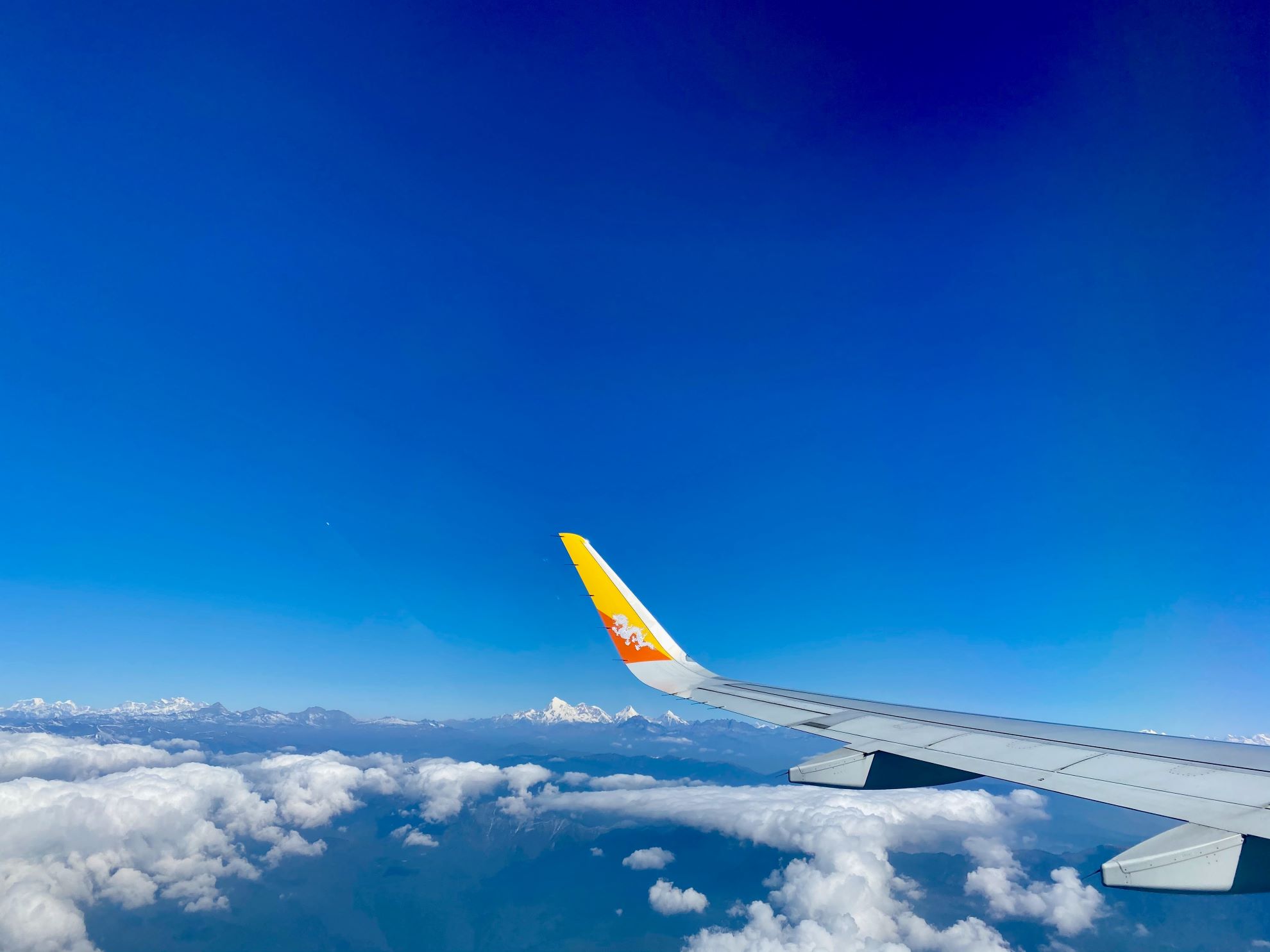
Bhutan has two national airlines: Drukair and Bhutan Airlines. Direct flights to and from our international airport in Paro connect you to Bangladesh (Dhaka), India (Bagdora, Gauhati, Kolkata and New Delhi), Nepal (Kathmandu), Singapore, and Thailand (Bangkok).
ARRIVE BY ROAD
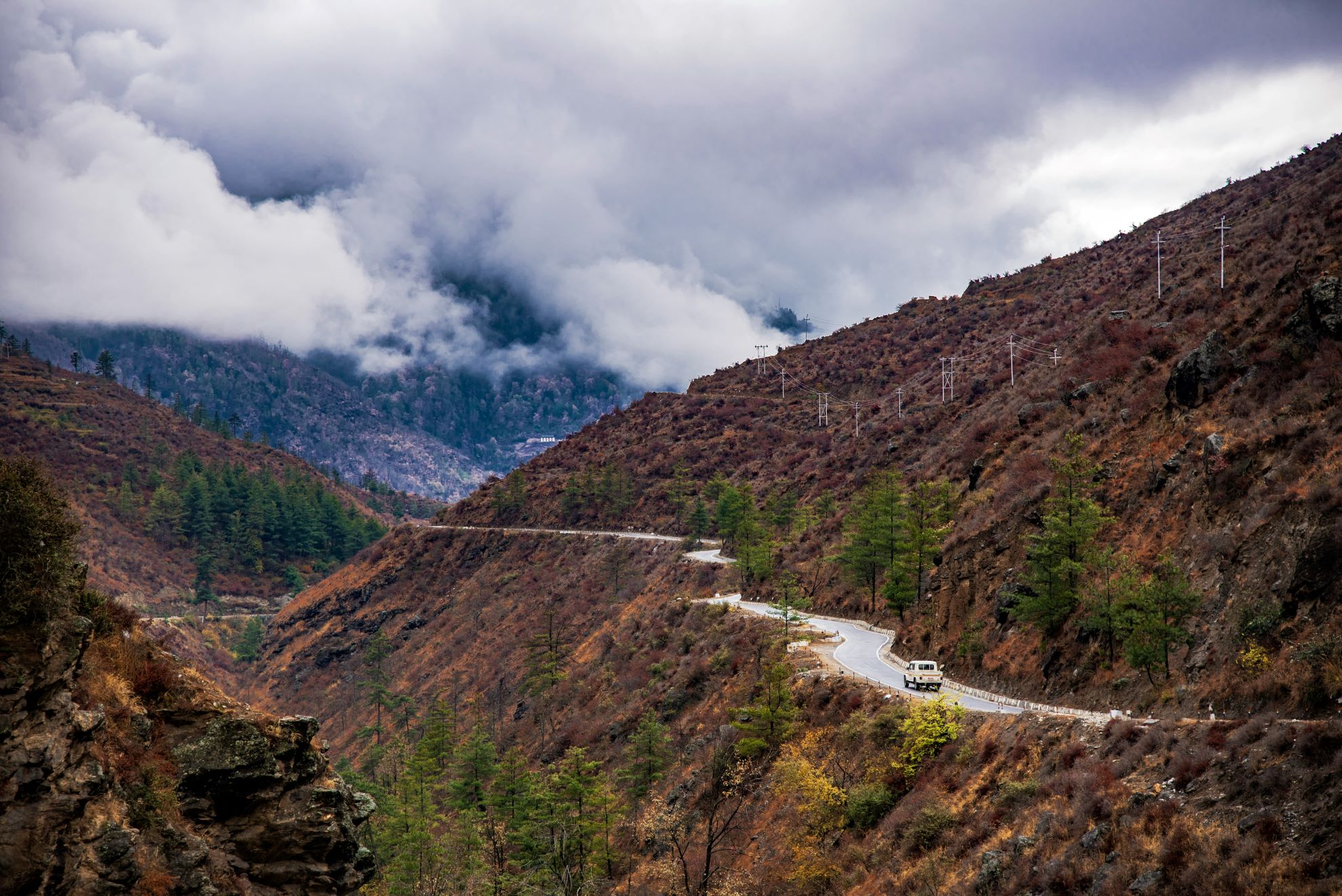
There are four official entry points by road from India: Samtse and Phuentsholing (in western Bhutan), Gelephu (in central Bhutan), and Samdrup Jongkhar (in eastern Bhutan).The scenic road journey are said much enjoyable by our guests.
VISA
Visitors of all nationalities, except those from India, require a visa before entering Bhutan. For all visitors, except those from Bangladesh and the Maldives, this visa must be applied for and approved in advance of travel. Visitors from Bangladesh and the Maldives also require a visa, but this can be applied for and approved either in advance of travel or upon arrival in Bhutan.
Visitors from India are able to apply for a permit but are required to hold an Indian passport or an Indian voter ID card. For Indian nationals under the age of 18, a passport or a birth certificate can be used to enter and they must be accompanied by a legal guardian.
Nationals from Switzerland and Thailand holding diplomatic or government-official passports are eligible for a visa at their port of entry.
SUSTAINABLE DEVELOPMENT FEE(SDF) INFORMATION
What is SDF?
The Sustainable Development Fee (SDF) is a daily levy paid by visitors to support Bhutan’s development. Since the kingdom first opened its doors in 1974, guests have played a critical role in our country’s growth.
The SDF is collected by the national exchequer and funds are allocated to various projects that create long-term, sustainable opportunities for the Bhutanese people, through free healthcare, education and training, upskilling the tourism and hospitality industry, improved infrastructure, environmental preservation and conservation, cultural preservation programmes and initiatives that support local businesses and economies. The SDF is also a vital means of maintaining the exceptional forest cover and carbon-neutrality for which our small nation is world-renowned and globally critical. The SDF also helps us to ensure that we can continue to offer guests tranquillity and an intimate experience.
How much is the SDF?
The SDF is USD 100 per night for adults from all countries except for India. Children aged between 6 years and who have not yet turned 12 are eligible to pay USD 50 per night. Children who have not yet turned 6 years old do not have to pay any SDF.
The SDF for Indian nationals (showing a valid Indian passport or Voter ID card) is Nu. 1,200 (or the equivalent amount in Indian rupees) per person, per night. Children aged between 6 years and who have not yet turned 12 are eligible to pay Nu./INR 600 per night. Children who have not yet turned 6 years old do not have to pay any SDF.
When to plan trip to Bhutan?
Climate
Bhutan experiences four distinct seasons, each with unique climatic conditions influenced by altitude. From March to May, the country enjoys spring, marked by pleasant weather and the vibrant blooming of flowering trees. The summer months of June to August bring the monsoon season, characterized by mild temperatures and humid, rainy conditions. Autumn, spanning from September to November, offers clear skies and crisp air, while winter, from December to February, is cold with variable snowfall.
Thimphu, situated in Western Bhutan at an elevation of 2,200 meters, experiences a summer temperature range of 15 to 26 degrees Celsius and winter temperatures between -4 to 16 degrees Celsius. In contrast, Central Bhutan sees cooler summers and harsher winters due to its higher altitude. Southern Bhutan, known for its hot and humid climate, has temperatures that range from 15 to 40 degrees Celsius throughout the year.
Precipitation levels vary across the country, differing by region and season. Central Bhutan typically receives annual snowfall, whereas snowfall in the western regions, including Thimphu, is less predictable. The diverse climatic conditions across Bhutan’s regions contribute to its rich natural beauty and the varied experiences available to visitors throughout the year. weather in Thimphu and Paro the two major city in Bhutan.
Festivals and events
Bhutan is renowned for its vibrant festivals and events that reflect its rich cultural heritage and spiritual traditions. The most prominent of these are the Tshechu festivals, held annually in various districts. Tshechus are religious festivals in honor of Guru Rinpoche, featuring masked dances, traditional music, and colorful costumes. Paro Tshechu and Thimphu Tshechu are among the most famous, attracting both locals and tourists.
Another significant event is the Punakha Drubchen, which commemorates Bhutan’s historic victories over Tibetan invaders. This festival features dramatic recreations of ancient battles, providing a fascinating glimpse into the country’s martial history.
In addition to these traditional festivals, Bhutan also celebrates modern events like the Mountain Echoes Literary Festival, which brings together writers, artists, and thinkers from around the world. The Royal Highland Festival in Laya showcases the unique culture of the highland communities, promoting their traditions and lifestyle and the famous snow man race that happens through 203KM (126 Miles) of Himalayan wilderness, with an average elevation over 4267m (14,000 ft) and multiple peaks summiting 5470m (17,946 ft), the Snowman Race follows a historic high-altitude trekking route of Snowman Trek (which takes up to 20 days to complete) that has been conquered by fewer people than Mt. Everest.
These festivals and events are integral to Bhutanese life, offering a blend of spirituality, history, and contemporary culture that highlights the nation’s unique identity.
Were to visit in Bhutan?
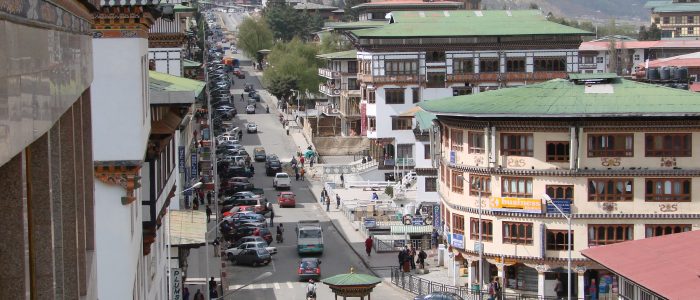
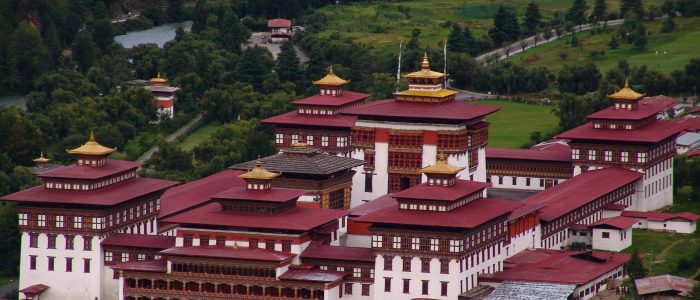
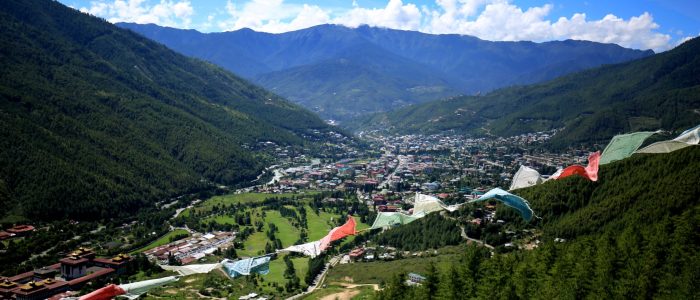
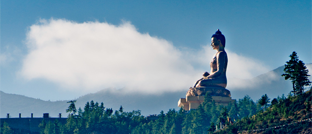
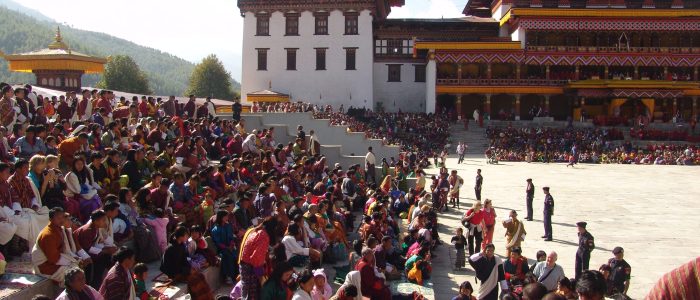
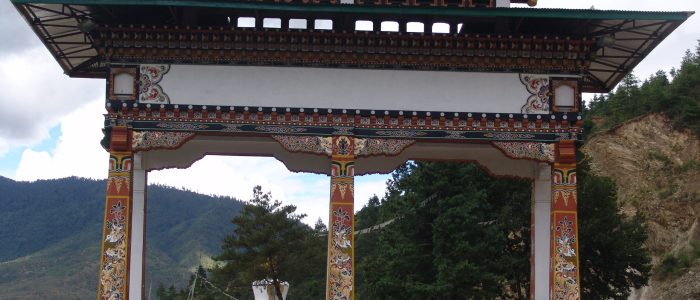
Bhutan, a land of breathtaking landscapes and rich cultural heritage, offers numerous must-visit destinations. Thimphu, the capital, is a blend of tradition and modernity. Highlights include the majestic Tashichho Dzong, the serene Buddha Dordenma statue, and the bustling weekend market..
Paro is another gem, home to the iconic Taktsang Monastery, or Tiger’s Nest, perched precariously on a cliffside. The Paro Valley also boasts the National Museum housed in the ancient Ta Dzong and the impressive Rinpung Dzong.
Punakha, the former capital, is famous for the Punakha Dzong, considered the most beautiful dzong in Bhutan, situated at the confluence of the Pho Chhu and Mo Chhu rivers. Nearby, the Chimi Lhakhang, known as the fertility temple, offers both spiritual solace and cultural insight.
Trongsa, with its massive Trongsa Dzong, offers panoramic views and a deep dive into Bhutan’s royal history. Bumthang, often referred to as the spiritual heartland of Bhutan, is home to ancient temples like Jambay Lhakhang and Kurjey Lhakhang.
For nature enthusiasts, Phobjikha Valley is a must-see. This glacial valley is a winter haven for the endangered black-necked cranes.
Lastly, the remote region of Laya, accessible through trekking routes, offers stunning highland scenery and a glimpse into the unique culture of the Layap people.
Each of these destinations offers a unique glimpse into Bhutan’s stunning landscapes, rich history, and vibrant culture, making the country a truly enchanting place to visit